Humanoid Hurdles: Tesla Sets 2027 Target for Optimus
Tesla has pushed back the start of external robot deliveries to the end of 2027, citing persistent challenges with hardware durability and artificial intelligence.
By Anna Nowak ·
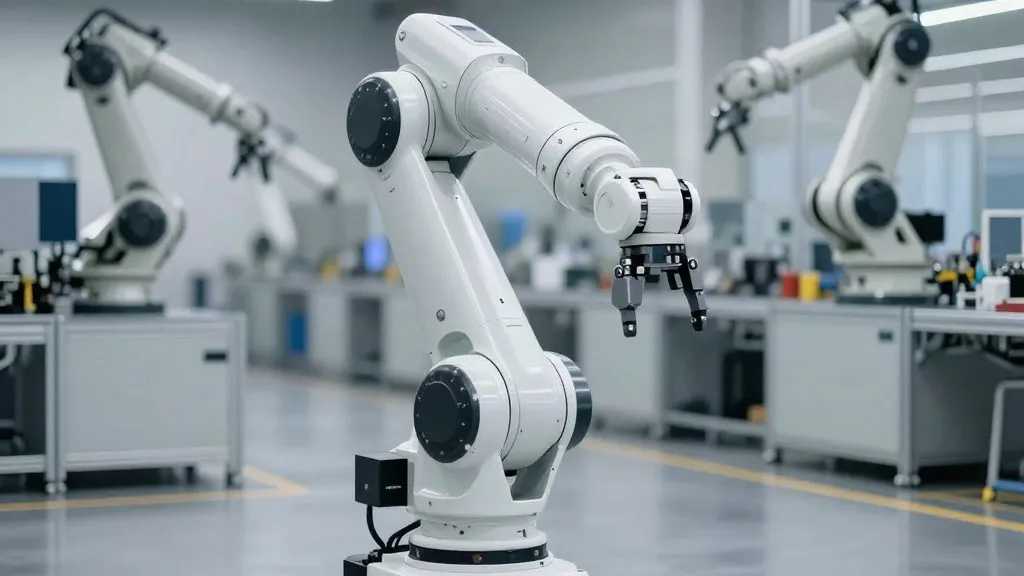
Tesla plans to begin delivering its Optimus humanoid robots to outside customers around the end of 2027. During the company’s Q3 2026 earnings call, CEO Elon Musk outlined that the robot’s hands, overall durability, and AI capabilities still require significant refinement before it can be widely deployed. These three technical hurdles are currently the primary obstacles facing the entire humanoid robotics industry, not just Tesla.
The path to this timeline has been marked by shifting expectations and production adjustments. In 2024, Musk initially suggested internal use in 2025 and high-volume external sales in 2026. By January 2025, he projected building 10,000 units that year, with several thousand performing useful work by year’s end, a target he later admitted was not met. Now, the focus has shifted to late 2027 for external handovers, starting with industrial applications that are dangerous, repetitive, or require 24/7 operation.
Production is currently underway on Tesla’s high-volume line in Fremont, California, where the Model S and Model X were previously assembled. Musk noted that most of the infrastructure required to produce a million robots annually is already installed. However, reaching the target rate of approximately 20,000 units per week will take at least a year, potentially longer, due to ongoing design changes. Tesla’s Q3 shareholder letter described the current output as the company’s first "production-quality" bots, implying that earlier units did not meet this standard.
The most difficult hardware component remains the robot’s hand. An Optimus engineer identified the hand and custom gears as critical areas of concern, with the hand specifically struggling to balance softness for delicate objects with the durability needed for constant wear. On the software side, Tesla lacks a large fleet of robots to collect data like its cars do for Full Self-Driving. To address this, the company plans to build 10,000 to 20,000 robots to practice tasks in an "Optimus Academy" and intends to integrate its AI5 chip into the robots around April 2027.
Competitors are also making strides, challenging Musk’s assertion that no one is close to Tesla’s progress. XPeng activated an automated production line for its IRON robot in Guangzhou in September, aiming for mass production by the end of 2026 and deliveries in early 2027. Meanwhile, Boston Dynamics began producing its electric Atlas robot in January and has secured all its 2026 deployments, including partnerships with Google DeepMind. Hyundai, which owns Boston Dynamics, plans to deploy 25,000 robots across its plants in the coming years.
Tesla has promised to release a video within the next month or two demonstrating the robot performing unscripted tasks, aiming to distinguish its technology from scripted demonstrations. As the industry pushes forward, the focus remains on creating robots that are not only impressive in demos but reliable and useful in real-world industrial settings.
Source: Electrek