Tesla Sets 2027 Date for Self-Driving, But Only in Specific Areas
The automaker promises unsupervised driving for owners in the second quarter of next year, but the feature will be limited to its existing robotaxi zones rather than open roads.
By Anastasia Volkova ·
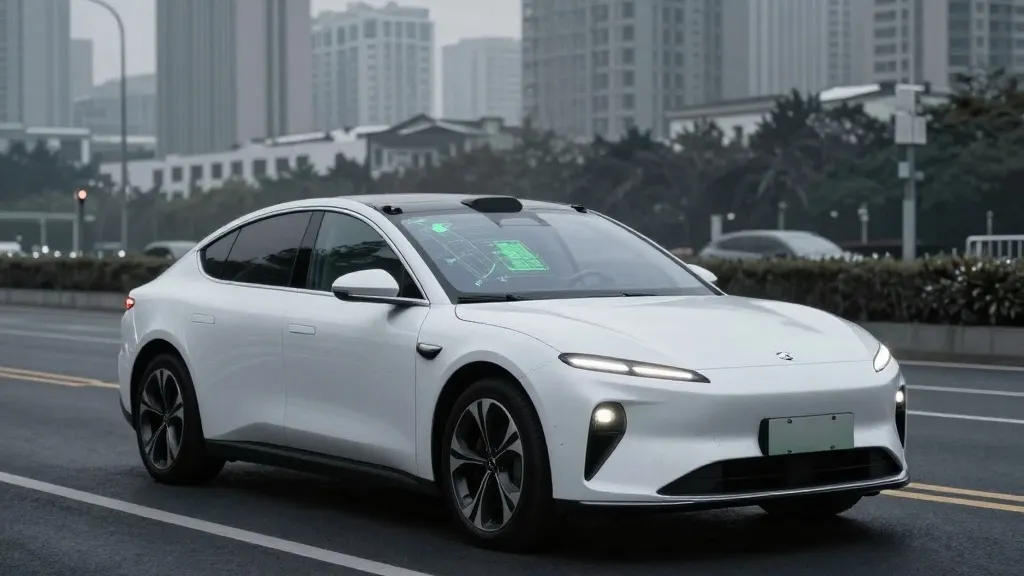
Tesla has officially set a timeline for unsupervised Full Self-Driving in customer-owned vehicles, targeting the second quarter of 2027. However, the announcement carries a significant limitation: the feature will not be a universal software update that allows owners to drive anywhere, but rather a function that integrates personal cars into Tesla’s managed robotaxi network. This shift in definition marks a notable departure from the broader autonomy promises made to buyers over the past decade.
During the Q3 2026 earnings call, AI chief Ashok Elluswamy clarified that the upcoming update allows owners to add their vehicles to the company’s existing fleet. In this model, a car can only operate without supervision within the specific geographic areas where Tesla’s robotaxi service is already active. This means the self-driving capability is geofenced to locations where the company already runs its commercial ride-hailing operations, rather than providing a city-wide or national driving capability for private users.
The question of when customers could expect unsupervised FSD was among the most popular inquiries submitted by retail shareholders, representing a substantial number of shares. Elluswamy’s response addressed this directly by specifying the Q2 2027 target. He explained that the initial step is not about allowing drivers to sleep in the back seat of a Model Y on any route, a concept marketed since 2016, but about operating within the established boundaries of the robotaxi service.
Currently, Tesla’s robotaxi service operates in six US metropolitan areas, though the coverage in each city is limited to small, specific zones. For example, in Miami, the service area is largely confined to West Miami and a narrow strip extending toward Doral and Sweetwater. Similar small geofences were established in Orlando and Tampa in July. Within these restricted areas, the vehicles generally stick to low-speed routes, avoid highways, and bypass complex urban sections. In the Bay Area, the service is not fully unsupervised due to California regulations that require a safety driver, a rule Tesla follows to avoid releasing certain data to the state’s DMV.
The scale of the current operation remains modest. Tesla reported that its robotaxi fleet reached nearly 2 million cumulative unsupervised miles by the end of Q3, a figure that includes the Cybercab models added to the Austin fleet one month prior. Third-party tracking from earlier this year indicated that only dozens of fully driverless Teslas were on the road, a fraction of the hundreds of thousands previously discussed by company leadership. Meanwhile, competitor Waymo had already established operations in Orlando and Tampa before Tesla’s entry and has logged over 3 million miles.
This new timeline and scope contrast with previous statements from Elon Musk, who told investors in July 2025 that unsupervised FSD would be available for personal use in certain geographies by the end of that year. A year prior, he expressed surprise if the technology was not ready the following year. Additionally, owners of older hardware who purchased FSD have been informed that their systems cannot run unsupervised driving and lack a clear upgrade path. The new Q2 2027 target thus represents another date in a series of shifting expectations.
Elluswamy noted that safety remains the primary bottleneck, which is why the system is currently restricted to lower-speed roads and simpler environments. He suggested that these safety issues may be resolved by next year, though he acknowledged uncertainty regarding the exact timing. For shareholders, the takeaway is that while the date is specific, the product is narrower than previously implied, focusing on fleet integration within controlled zones rather than broad personal autonomy.
The next phase will involve monitoring whether Tesla can successfully expand these geofences and increase the number of vehicles in the fleet leading up to the 2027 deadline. Investors and customers will likely watch for updates on the California DMV process and the expansion of the service area in existing markets to gauge the pace of development.
Source: Electrek