Google AI Chips Move Into Meta Data Centers, Challenging Nvidia
New software updates enable Meta to run AI workloads on Google TPUs directly, a development that could reshape the competitive landscape for AI processors.
By Christopher Reed ·
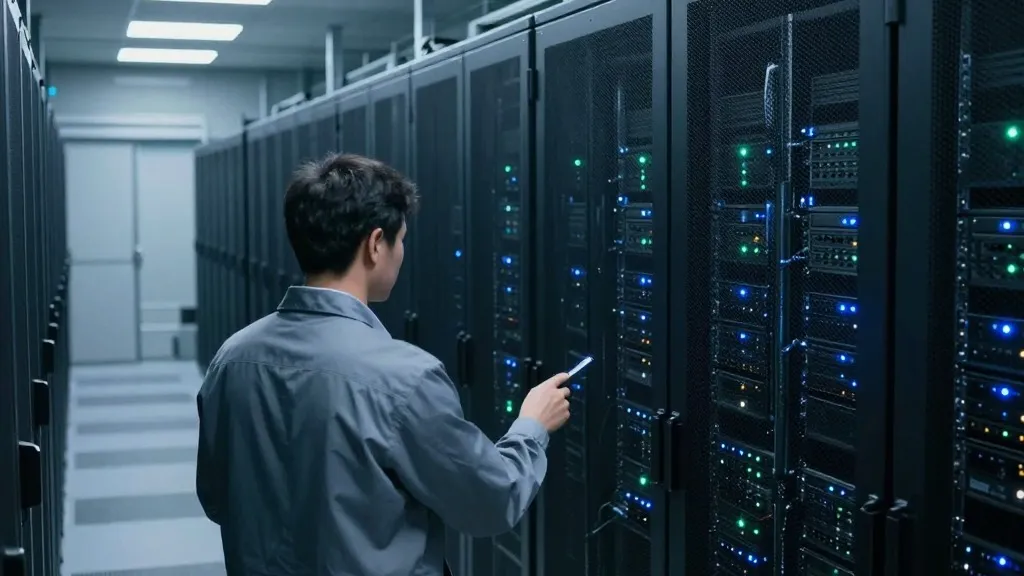
A major shift in the AI hardware market is underway as Google's custom AI accelerators are now running production workloads inside Meta's data centers. The deployment is enabled by a new version of the SGLang inference engine built specifically for PyTorch, the AI framework developed by Meta. This marks the first time Google's Tensor Processing Units (TPUs) are being sold to external customers for this purpose, creating a new avenue for Google to compete with Nvidia's dominant position in the market for AI chips.
The core of the change is a new software stack that allows AI models to run on Google's TPUs without requiring developers to rewrite their code for a different framework. Previously, running models on TPUs required using Google's own JAX framework. The new SGLang-TorchTPU and vLLM-TorchTPU engines are designed to work directly with PyTorch, the framework Meta and many other companies use to build AI models. "SGLang-TorchTPU is running in production at Meta today," said Zongwei Zhou, a PyTorch-TPU lead at Meta, following a collaboration between his company, Google, and the SGLang team. Jana van Greunen, director of PyTorch engineering at Meta, stated that the company "cannot be constrained by a single hardware architecture" and that the new tools enable Meta to deploy its PyTorch workloads to Google TPUs.
The move is part of a broader effort by chipmakers to reduce reliance on Nvidia's software ecosystem. Just one day before Google's announcement, Amazon said it would release its own open-source PyTorch backend, called TorchNeuron, for its Trainium chips. Both companies are releasing software tools that make it easier to use their hardware with popular AI frameworks, which could weaken Nvidia's control over the software that developers use to build and run AI applications. This development signals a growing challenge to Nvidia's long-standing dominance in the AI chip market.
Google has a history of providing TPUs to Meta, but the companies ended a prior arrangement involving research projects. The new production agreement is a more significant commitment, and reports indicate talks included renting Google Cloud TPUs in 2026 with potential purchases in 2027, before Meta later signed a multi-year rental agreement. The location of Meta's production TPUs was not disclosed in the announcement.
Performance figures from Google's partners indicate the TPUs can be competitive with Nvidia's hardware. A test run by Inferact, a startup that helped Google build the vLLM-TorchTPU engine, showed a setup using 16 of Google's Ironwood TPUs could process over 700 tokens per second for a single user. A comparable test on 16 of Nvidia's GB200 chips reached 452 tokens per second. The test involved serving Moonshot AI's open-weight Kimi K3 model.
Google, Meta, and RadixArk, the startup that built the SGLang engine, plan to provide more details at the SGLang Summit in San Francisco, scheduled for Nov. 12-13, 2026. The SGLang-TorchTPU engine will continue to add support for more AI models, starting with DeepSeek V4.1 Flash and Reflection Beam, with a goal of providing support for new open models on their release day by the first quarter of 2027.
Source: Tom's Hardware