White House Demands Financial Dividends From AI Data Center Developers
The administration aims to offset local energy costs and reduce community resistance by requiring hyperscalers to sell or give back excess power.
By Mariana Delgado ·
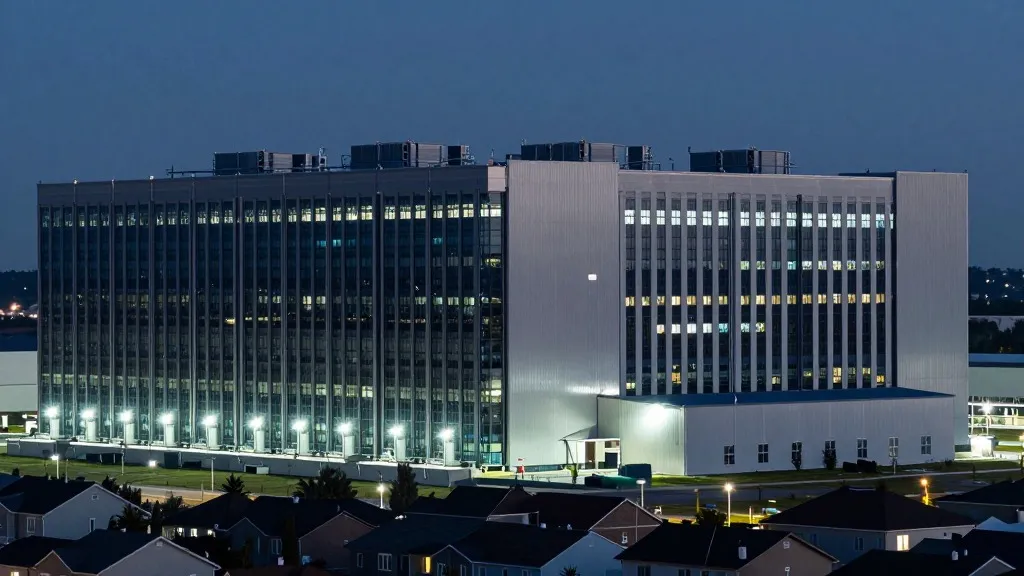
President Donald Trump has proposed a financial mechanism that would require large artificial intelligence data centers to pay local communities a direct dividend. The goal is to mitigate rising electricity prices and make these massive facilities more acceptable to residents. In a post on Truth Social, the President outlined a plan where data center builders and AI hyperscalers must provide tangible benefits to the areas they occupy. This move seeks to address widespread local opposition by ensuring that the presence of these high-energy facilities results in a net positive for nearby households.
The administration is pushing for a mandate that goes beyond simple construction. Trump warned that data centers would be required to generate their own electricity, a policy the White House has previously emphasized. Additionally, he stated that these facilities must either give or sell any excess energy back to the local community. This requirement is designed to prevent local power rates from increasing and, in some cases, to drive costs down. By integrating the data center's power output directly into the local grid, the administration hopes to alleviate a primary source of friction between developers and residents.
Local opposition to AI infrastructure has grown significantly across the United States. Communities often protest these projects due to their outsized environmental and economic impact. Residents frequently cite rising electricity bills, noise pollution, and water shortages as key grievances. Air pollution and deforestation are also common concerns in areas where these facilities are located. The proposed dividend serves as a direct response to these complaints, aiming to provide a financial offset for the burdens placed on small towns and suburban neighborhoods.
The Trump administration views this strategy as a way to maintain a competitive edge in the global AI race while winning back public favor. By making data centers pay back to the affected communities, the White House hopes to smooth the path for new construction. The specific form of the dividend is not yet fully defined, but the emphasis on electricity suggests it may involve partial reimbursement for rising utility costs. This aligns with a recently passed act that requires data centers to cover the cost of necessary grid upgrades, preventing local taxes from bearing that financial weight.
In his post, President Trump highlighted the effectiveness of financial incentives in shifting public opinion. He noted that data centers which were previously unpopular in certain areas became extremely popular once a financial deal was struck. The President urged developers to make deals and get the projects built, signaling a strong preference for rapid expansion. This directive underscores the administration's desire to accelerate the deployment of AI infrastructure across the country.
However, the long-term success of this policy remains uncertain. While the economic aspect addresses one facet of the problem, other challenges persist. Enormous water consumption, ecological damage, and pollution remain significant hurdles for data center developers. These issues continue to make the facilities a difficult sell in many locations, regardless of financial compensation. The administration will need to monitor whether the proposed dividends are sufficient to overcome these broader environmental and logistical concerns.
The practical implementation of these requirements is still being worked out. The mandate aims to create a sustainable model where the high energy demands of AI are balanced by direct benefits to the community. As the administration moves forward, the focus will be on ensuring that the excess energy generated by these facilities translates into lower costs for local residents. This approach reflects a broader effort to harmonize the rapid growth of the technology sector with the needs of the communities that host it.
Source: Tom's Hardware